The Backstory
From Burnout to Balance: The Story Behind Designed for Time
Hi, I’m Isamu, and for most of my career I chased the same thing many of us do: high performance, impact, good compensation, and a sense that I was “doing it right.”
I worked across tech, analytics, and strategic leadership, building departments, driving C-Suite level critical initiatives, and eventually landing a role at Amazon Web Services.
On paper, I was thriving.
But in real life? I was exhausted.
Despite all the tools I had, the calendar hacks, productivity frameworks, and endless todo lists I was constantly playing catch up. I missed moments with my kids. I felt disconnected from my partner. I was in chronic pain. And I started to wonder:
Was this really what success was supposed to feel like?

The First Shift
Discovery, experimentation, and realignment. On Repeat.
Things shifted after my first child was born. Suddenly, I couldn’t ignore how out of sync my life had become.
I wasn’t just looking for more time, I was craving more presence, more intention, and more energy for the things that actually mattered.
So I started experimenting. I pulled from productivity experts, life coaches, and mentors. I tested, tweaked, and rebuilt the way I worked.
And slowly, a new rhythm emerged — one that gave me momentum. But while I was redesigning how I worked, I hadn’t yet reimagined why I was working that way, or who those systems were really for.
That realization came later. And it changed everything.
The Blind Spot that I Could Not Believe I missed.
The moment that changed everything.
I was sitting at my living room table, drowning in Microsoft Teams pings and half finished tasks, while my toddler tugged at my sleeve to come play. And it hit me. Hard.
For years, I had helped organizations and leaders drive massive results by focusing on what mattered most: realigning priorities, designing systems for impact, and cutting through the noise. I’d seen entire departments reclaim time, reduce burnout, and do their best work.
But somehow, I hadn’t applied those same systems to the people inside them—including myself.
I remember thinking: How have I spent years building systems for million-dollar outcomes… and never stopped to build one for my own life?
That moment flipped a switch.
Once I applied the same principles to my personal time—strategic prioritization, intentional routines, and outcome-focused design—I finally felt in control. I stopped spinning. I started breathing. And I felt like I had space again.
And once I saw what was possible, I started helping others do the same.
Together, we’ve reclaimed hundreds of hours, reduced stress, and amplified impact—without burning out.
A System That Actually Works
10 years in the making
That journey led to Designed for Time, a framework to help ambitious professionals like you reclaim 10+ hours a week, rearchitect how you use time, and finally feel in control again.
This isn’t about cramming more into your schedule.
It’s about building the life you thought you were working for.
If you’re stuck in overwhelm, I’ve been there. If you want more time for your family, your health, or even just your self , I can help you make that happen.
What Life Could Look Like On The Other Side
I didn’t just design this system—I live it, every day.
By building around my priorities, rhythms, and responsibilities, I created a life where time supports what matters. And with it came more than just better routines. It brought space, health, presence, and possibility.
What I Gained Personally
Time for what matters
As a father of two, I start and end most days with my family — breakfast, school drop-offs, evening walks.
My wife and I take mid-day walks just to talk and reconnect. That space didn’t exist before.
Strength & mobility restored
After years of injury and stiffness, I rebuilt my mobility and strength with intention. I went from 20lb Turkish getups to 71lbs, lifting nearly half my bodyweight. My VO₂ max rose from 38 to 43 in just 8 months, placing me in the top fitness tier for my age.
Joy in the Everyday
I rediscovered cooking — now making Nepali, Japanese, Indian, and Chinese dishes from scratch. Last year, we spent nearly 90 days at Disney World while I worked remotely. Not as an escape, but as a lifestyle designed with intention.
Time to Learn, Create, & Give
With space to breathe, I finally had time to learn what I needed to build something meaningful. I picked up design, video editing, web development, and marketing, not to chase the next thing, but to create a business rooted in service.
What I Gained Professionally
More Impact in Higher Education
I began by managing over 60 reports for compliance and accreditation — all on tight deadlines. Once I streamlined and automated 70% of that work, I used the time I reclaimed to look up and lead.
That space led to building decentralized analytics communities across departments, and partnering with the Chief Diversity Officer to launch predictive analytics supporting at-risk students
Leading Through Analytics & Strategy
My role started with operational reporting. But by redesigning my work, I freed up time to identify a bigger opportunity: the organization lacked an internal analytics function.
I proposed and built a department from the ground up, hired and mentored the team, and scaled our work across every business unit. I collaborated with the CIO to transform IT into an agile, business-aligned function — and partnered with the CEO to lead a C-suite initiative program to deliver five strategic projects every quarter.
Simplifying at Scale in Tech
At AWS, I began in business operations, then helped stand up GTM function, and shape the org’s product and portfolio management approach. As I optimized my role, I gained space to lead broader initiatives, including creating a systems that aligned engineering, GTM, and product teams across the org.
I was also selected by leadership to judge and mentor teams in a cybersecurity innovation challenge, reviewing over 100 ideas and coaching finalists whose work would be fast tracked into products backed by our VP.
Time to Uplift and Coach
With space to mentor intentionally, I coached team members in analytics, product thinking, and career growth at every level.
I helped colleagues shape initiatives, refine their ideas, connect with collaborators, and apply best practices to bring their goals to life
I also supported nonprofits by streamlining their systems—so they could spend less time on admin, and more time changing lives.
Inspired by Experts, Built for You
A system informed by research, refined through experience, and designed for real life.
James Clear
Atomic Habits
"You fall to the level of your systems."
Cal Newport
Deep Work
"Clarity about what matters provides clarity about what doesn’t."
David Allen
Getting Things Done
"Your mind is for having ideas, not holding them."
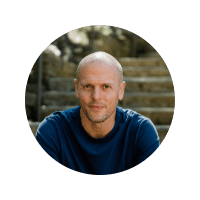
Tim Ferriss
The 4-Hour Workweek
"Being busy is a form of laziness—lazy thinking and indiscriminate action."
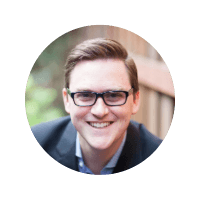
Greg McKeown
Essentialism
"If you don’t prioritize your life, someone else will."
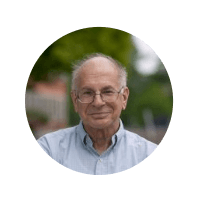
Daniel Kahneman
Thinking, Fast and Slow
"Thinking is to humans as swimming is to cats."
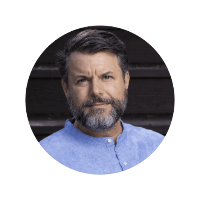
Charles Duhigg
The Power of Habit
"Change occurs when you understand the habit loop."

BJ Fogg
Tiny Habits
"Tiny changes, big results."
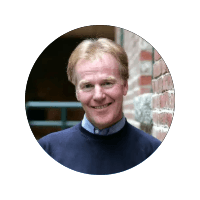
Peter Senge
The Fifth Discipline
"Today’s problems come from yesterday’s solutions."
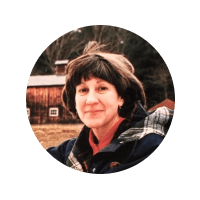
Donella Meadows
Thinking in Systems
"You can’t control systems, but you can design for leverage."

Tiago Forte
Building a Second Brain
"Your productivity is only as good as your information system."
Ready to take control of your time?
DESIGNED FOR TIME
Helping Behavioral Health leaders fix what’s slowing their teams down — and build smoother, more sustainable systems that serve both their people and their mission.
© 2025 Designed for Time | Isamu Pant LinkedIn